Ratnagiri Alphonso Mango Price 2026: What You Should Pay
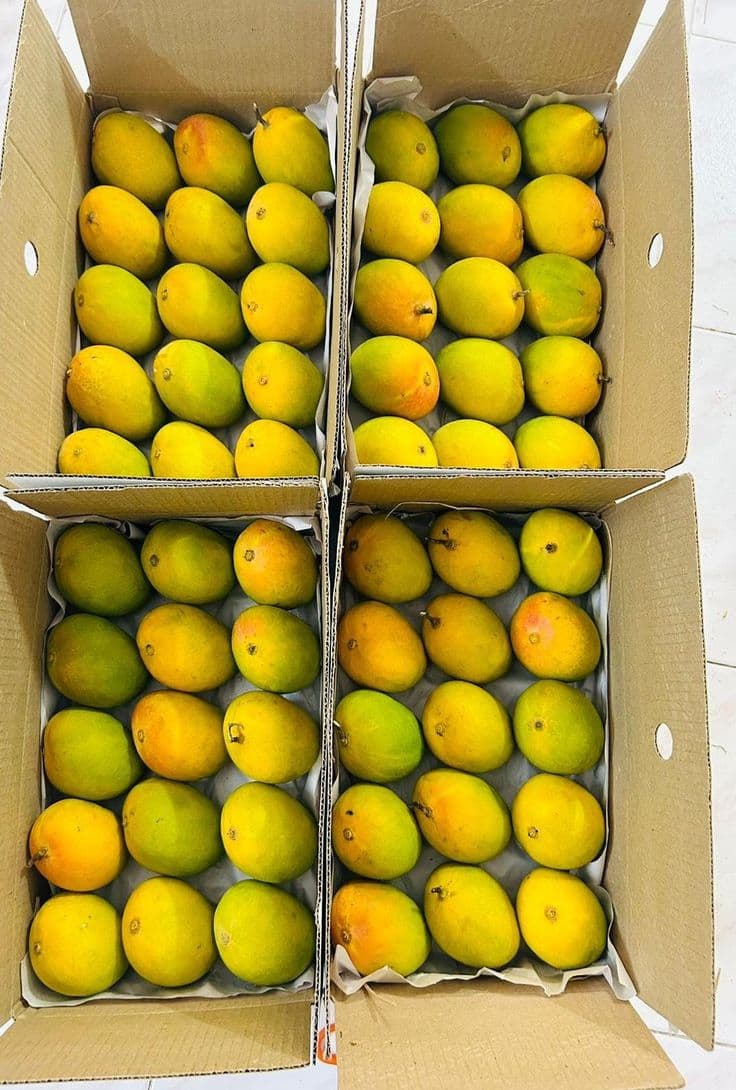
Alphonso prices confuse buyers every season. You'll see boxes listed anywhere from ₹500 to ₹4,000. Here's what the price actually tells you — and what the real cost of genuine Ratnagiri Hapus should be in 2026.
The Real Cost of GI-Certified Alphonso
Genuine Ratnagiri Alphonso involves: GI-certified orchard land (higher cost than non-certified), selective hand-picking (only Grade A fruit), 48–72 hour traditional ripening (no cheap carbide shortcut), single-layer ventilated packaging, and direct overnight courier dispatch. These costs cannot be absorbed at ₹500–₹800 per box. Any seller offering Alphonso at those prices is selling a different product.
2026 Price Benchmarks
Premium 12-piece box (3 kg): ₹2,800–₹3,200. Standard 12-piece box (3 kg): ₹2,200–₹2,600. 4 Dozen Wooden Peti (48 pcs, 12 kg): ₹7,500–₹8,500. Gir Kesar 12-piece box: ₹1,400–₹1,700. Prices fluctuate with season timing — early March and late June boxes are typically 10–15% more expensive due to lower availability.
What Drives Price Up
Grade: Premium (top 15% by size and Brix) vs Standard vs Regular. Season timing: early and late season commands a premium. Organic certification: adds 20–30%. Delivery speed: same-day vs standard overnight vs 2-day.
Pure Aam 2026 Pricing
Our Premium Ratnagiri Alphonso is priced at ₹3,099 per 12-piece box (MRP ₹3,599). This reflects genuine GI-certified sourcing, traditional ripening, and direct dispatch. We believe in transparent pricing — one price, no hidden charges, no season-end markdown on inferior stock.
Ready to Order Real Alphonso?
Farm-direct, naturally ripened, zero carbide. WhatsApp us to order your box today.
Order on WhatsAppMore from the Blog
Ratnagiri Alphonso vs Kesar Mango: Which is Better?
India produces over 1,500 varieties of mango, but when it comes to prestige and flavour, two names dominate every conversation: Ratnagiri Alphonso and Gir Kesar. If you've ever stood confused in front of both options, this guide settles the debate once and for all.
Food SafetyHow to Identify Carbide-Free Mangoes (6 Simple Tests)
Calcium carbide is a chemical compound used to artificially ripen mangoes in days. It is banned in India under FSSAI regulations because it contains arsenic and phosphorus residues linked to neurological damage. Yet it remains widely used across Indian markets. Here's how to protect yourself and your family.
EducationWhat is GI Certification? Why Ratnagiri Alphonso Has It and Why It Matters
When you see 'GI Certified Ratnagiri Alphonso' on a box of mangoes, it means more than a label. It is a legally enforceable guarantee that this fruit was grown in a specific place, using specific traditional methods, meeting specific quality thresholds.