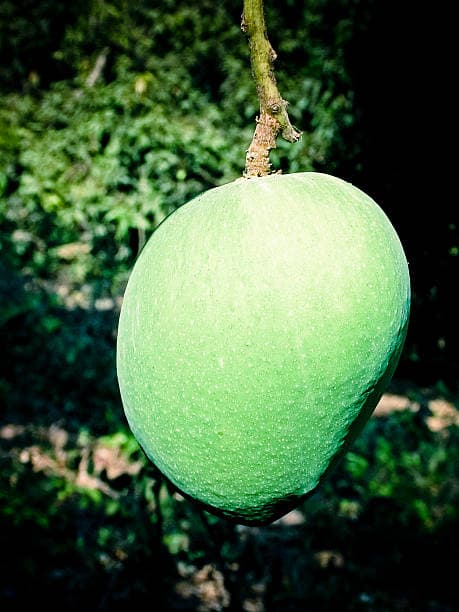
In the world of premium fruit, 'Alphonso' is the most abused name. From South African hybrids to gassed mangoes from other regions, everyone claims the crown. But there is only one legal and scientific way to verify a real Hapus: the GI Tag. At PureAam, every box we ship carries this mark of authenticity. This guide explains why the red soil of Ratnagiri creates a taste that cannot be replicated anywhere else on Earth.
01
1. The Legal Definition of a GI Tag
A Geographical Indication (GI) tag is an intellectual property mark that identifies a product as originating from a specific territory. Just as 'Champagne' must come from the Champagne region of France, a 'Ratnagiri Alphonso' must come from the specified coastal belt of Maharashtra. In 2018, the Alphonso from Ratnagiri, Sindhudurg, and neighboring areas was officially granted this protection. Without this tag, calling a mango 'Ratnagiri Alphonso' is a legal violation.
Acquire the Harvest
Direct from our Konkan Orchards
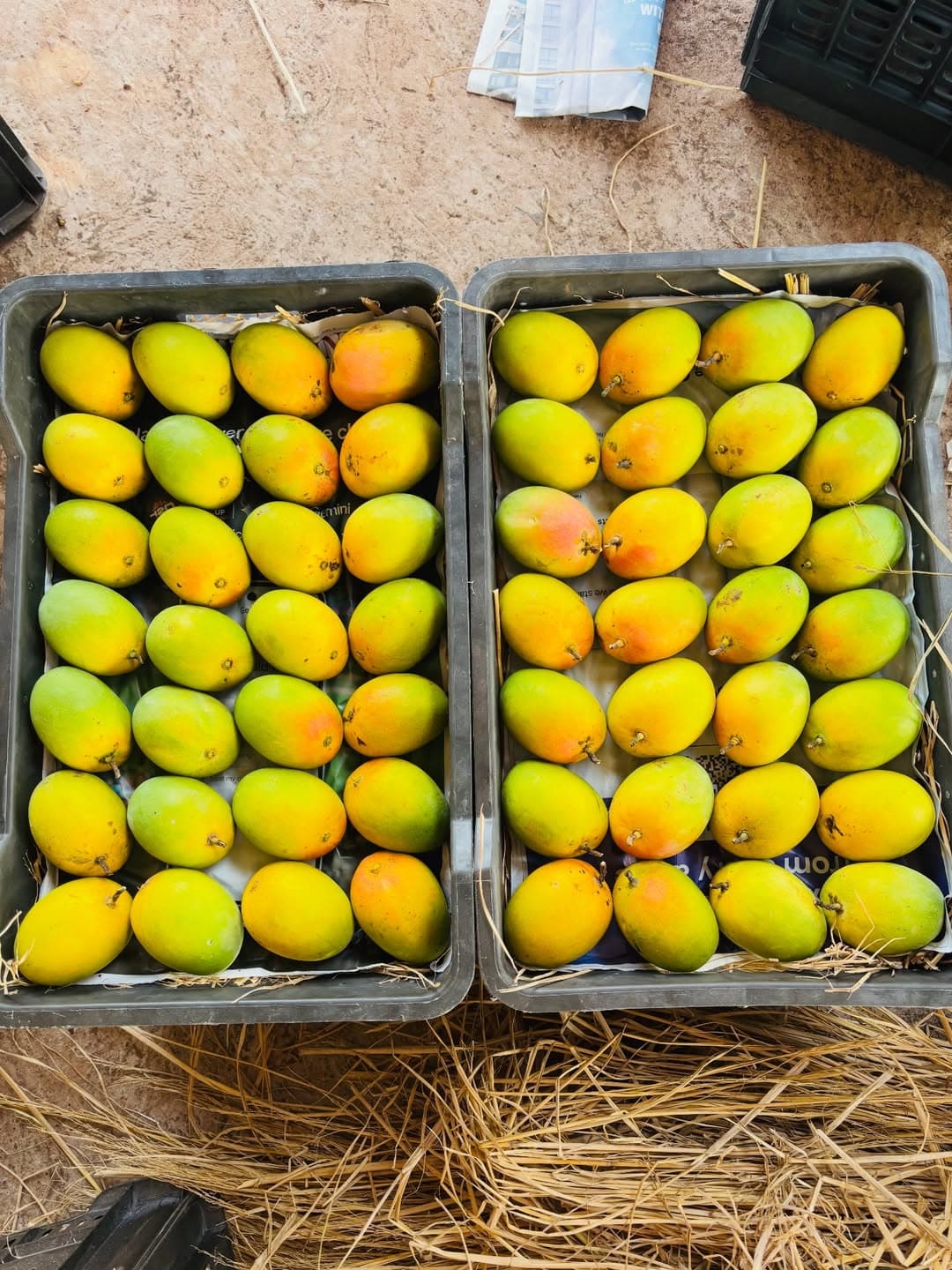
Naturally ripened with hay. GI-Certified. Zero carbide. Delivered in 48 hours.
 Best Seller
 Bulk Value
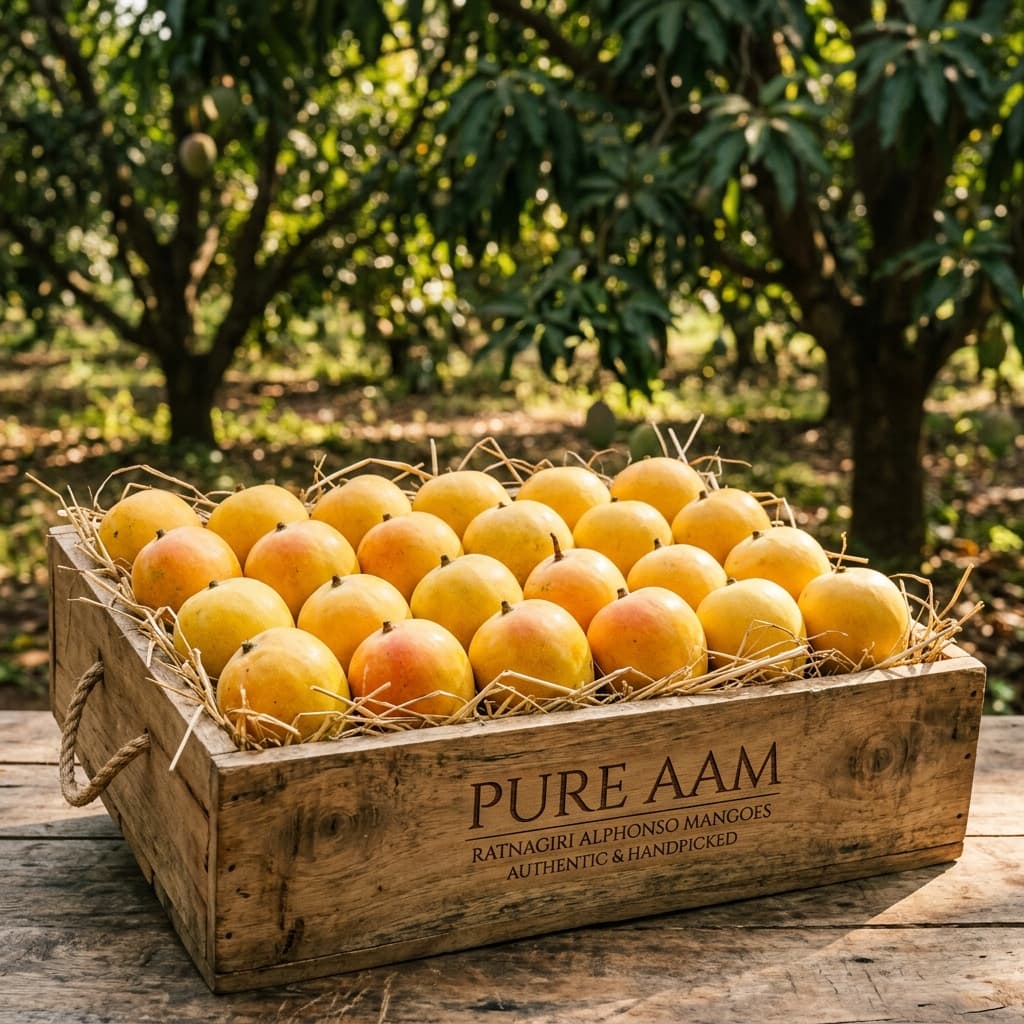
48 pcs · ~12 kg wooden peti
16% OFFRatnagiri Alphonso 4 Dozen Wooden Peti
₹7999₹9499
02
2. The 'Laterite' Secret: Why Terroir Matters
The specific taste of the Hapus comes from the red laterite soil and the salty sea breeze of the Konkan coast. This soil is rich in minerals like iron and manganese that create the unique 'alpha-ionone' aroma compounds. If you plant the same tree in the black soil of central India, it will produce a sweet fruit, but it will lack the creamy, fiber-less texture and the floral aroma of the Ratnagiri original. This is why location is the single most important factor in quality.
03
3. How to Identify a Real GI-Certified Box
Every genuine GI-certified box must carry the 'GI Logo' and a unique 'Registrar Number.' At PureAam, we provide a QR code that links directly to our orchard's registration on the government IP portal. If your vendor cannot show you their registration certificate, they are likely selling relabeled 'Karnataka Badami' or 'Madras' mangoes as Hapus.
04
4. The Flavor Anatomy of a Certified Hapus
A certified Ratnagiri Alphonso has a flavor profile that consists of honey, citrus, and floral notes (specifically jasmine). Fake mangoes often have a 'turpentine' smell or a flat, sugar-water taste. The GI tag guarantees that the fruit has been grown in a climate that allows these complex volatile organic compounds (VOCs) to develop fully over 100-120 days on the tree.
05
5. Why Relabeling is a Scourge
Middlemen at the APMC markets often buy cheaper mangoes from other states, spray them with chemicals to turn them yellow, and put them in 'Ratnagiri' branded boxes. This fraud not only cheats the customer but also destroys the reputation of the traditional Konkan farmers. GI certification is our way of fighting back against this 'Mango Mafia.'
06
6. The Soil Chemistry of Ratnagiri
The laterite soil is highly acidic (pH 4.5 to 6.5) and low in nitrogen. This 'nutrient stress' forces the tree to produce secondary metabolites. These metabolites are the very antioxidants and essential oils that create the Hapus aroma. Rich, fertile soil elsewhere makes for a big tree, but a flavorless fruit.
07
7. The Sea-Mist Factor
The proximity to the Arabian Sea (less than 20km) provides a constant salt-mist. This natural iodine and magnesium dose acts as a growth regulator, preventing the fruit from becoming too watery. It keeps the pulp dense and buttery, which is the hallmark of a premium Hapus.
08
8. Traditional 'Nakhli' Harvesting
GI standards also mandate traditional harvesting. We use the 'Nakhli' pole to ensure the mango never touches the ground. If a mango hits the ground, it develops internal bruising that manifests as 'black spots' later. Certified farmers are trained to handle each fruit as if it were a fragile gem.
09
9. Economic Impact on Konkan Families
When you buy GI-certified, your money goes directly to the traditional farming families of the Konkan. These families have maintained these orchards for over 5 generations. Supporting GI means supporting the preservation of a 500-year-old botanical heritage.
010
10. How to Verify PureAam Certifications
We display our certificates on our website and in every shipment. You can scan the QR code to see the farm location on Google Maps, the harvest date, and the batch number. This is transparency you will never find in a local market.
SP
Expert Reviewer
Suresh Patil
Suresh is a 3rd generation Alphonso specialist with 25+ years in the orchards of Ratnagiri. He leads our harvest quality control and traditional hay-ripening protocols to ensure every box meets the Pure Aam standard.