Ratnagiri Alphonso vs Kesar Mango: Which is Better?

India produces over 1,500 varieties of mango, but when it comes to prestige and flavour, two names dominate every conversation: Ratnagiri Alphonso and Gir Kesar. If you've ever stood confused in front of both options, this guide settles the debate once and for all.
What is Ratnagiri Alphonso (Hapus)?
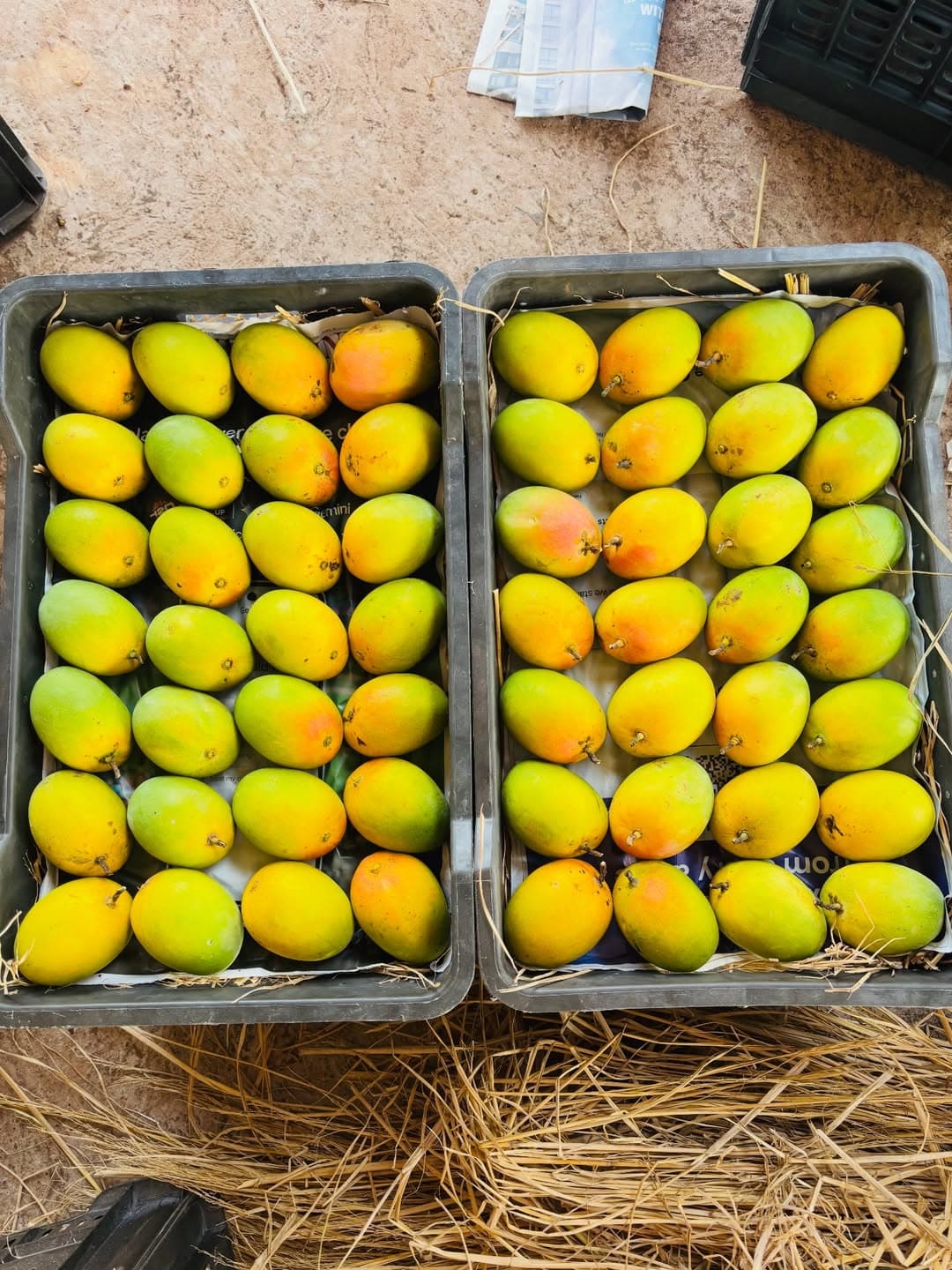
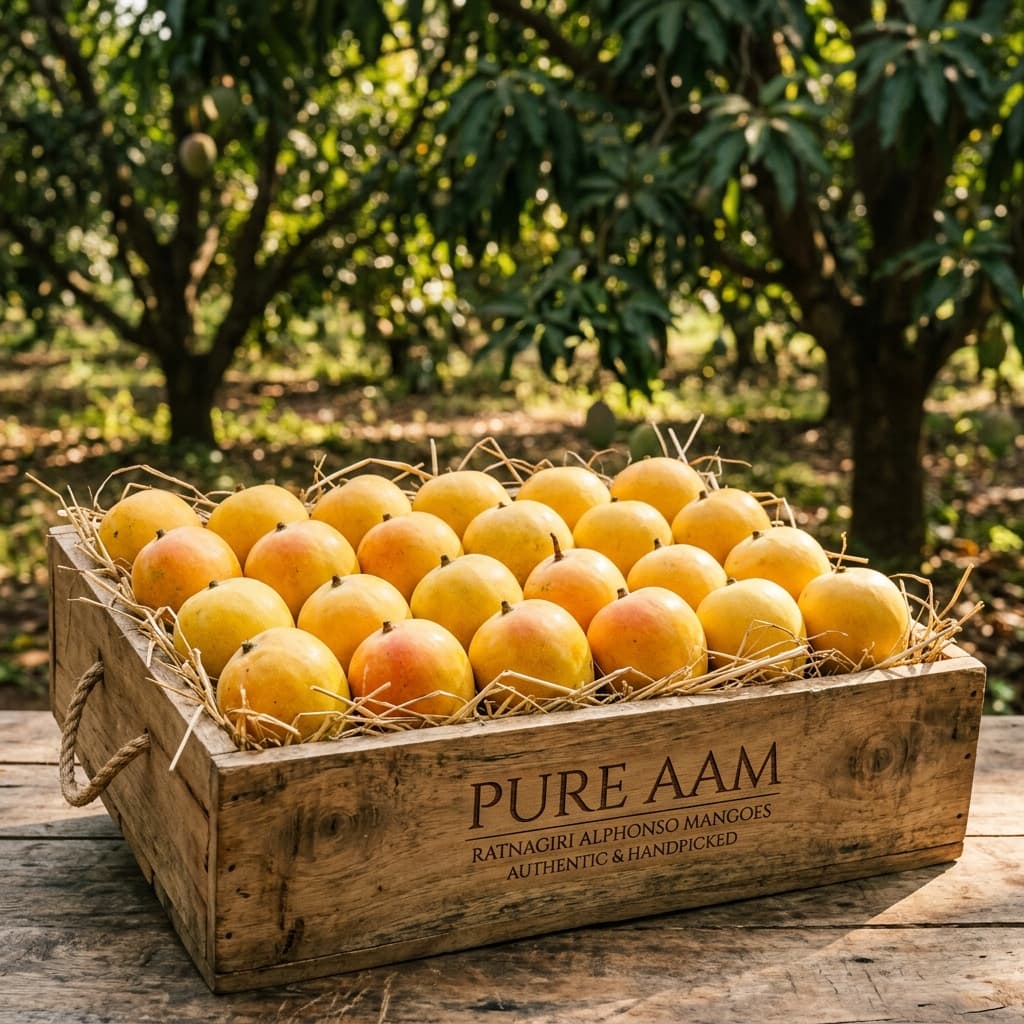
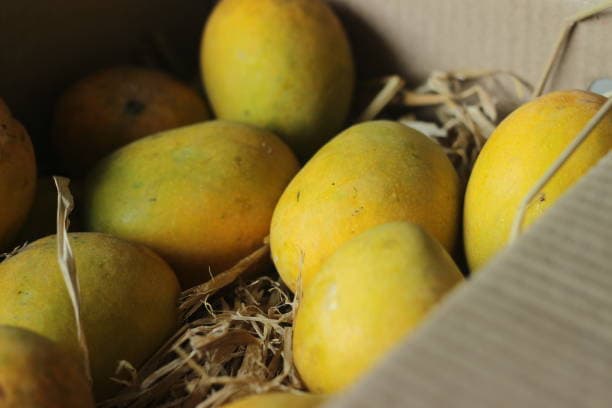
The Ratnagiri Alphonso, locally called Hapus, is grown exclusively in the Ratnagiri and Sindhudurg districts of Maharashtra's Konkan coast. It has received GI (Geographical Indication) certification — meaning only mangoes grown in this specific region can legally be called Ratnagiri Alphonso. The fruit is known for its saffron-gold skin, intensely floral aroma that fills a room on opening, and creamy, completely fibre-free flesh with a Brix level of 22–26°. It is the most expensive mainstream mango variety in India.
What is Gir Kesar Mango?
Gir Kesar is grown in the Gir forest region of Gujarat, primarily in Junagadh and Amreli districts. It also holds GI certification for the Girnar region. The name 'Kesar' (meaning saffron) refers to the strikingly orange flesh of the fruit. It has a sweeter, musky aroma compared to the intensely floral Alphonso, with a Brix level of 18–22°. Kesar is generally less expensive and has a longer shelf life than Alphonso.
Alphonso vs Kesar: Head-to-Head Comparison
On aroma, Alphonso wins — its fragrance is unmatched by any mango in the world. On sweetness alone, Kesar often measures higher in sugar content but lacks the complex layered flavour of Alphonso. On texture, both are fibre-free, but Alphonso has a smoother, more custard-like consistency. On price, Kesar is typically 30–40% cheaper. On season length, Kesar lasts longer into the summer (May–July) vs Alphonso (March–June). On versatility for cooking and desserts, Kesar's firmer texture makes it slightly better for slicing, whereas Alphonso's creaminess makes it perfect eaten fresh.
Which Should You Buy?
Buy Alphonso if you want the peak mango experience — the aroma, the flavour complexity, and the prestige of a GI-certified fruit. Buy Kesar if you want excellent quality at a more accessible price point, or if you need mangoes for cooking, pulp, or aamras. At Pure Aam, we recommend starting with a Premium Alphonso box if you've never had a truly natural, carbide-free Ratnagiri Hapus — it will redefine what you think a mango can taste like.
Ready to Order Real Alphonso?
Farm-direct, naturally ripened, zero carbide. WhatsApp us to order your box today.
Order on WhatsAppMore from the Blog
How to Identify Carbide-Free Mangoes (6 Simple Tests)
Calcium carbide is a chemical compound used to artificially ripen mangoes in days. It is banned in India under FSSAI regulations because it contains arsenic and phosphorus residues linked to neurological damage. Yet it remains widely used across Indian markets. Here's how to protect yourself and your family.
EducationWhat is GI Certification? Why Ratnagiri Alphonso Has It and Why It Matters
When you see 'GI Certified Ratnagiri Alphonso' on a box of mangoes, it means more than a label. It is a legally enforceable guarantee that this fruit was grown in a specific place, using specific traditional methods, meeting specific quality thresholds.
Season UpdatesAlphonso Mango Season 2026: When Does It Open, How Long Does It Last?
The Alphonso season is one of the most anticipated culinary events in India. It is short, it is intense, and once it's over, you wait another 10 months. Here's everything you need to know about the 2026 season.