Mango Season India 2026: All Varieties, Timing & Buying Guide
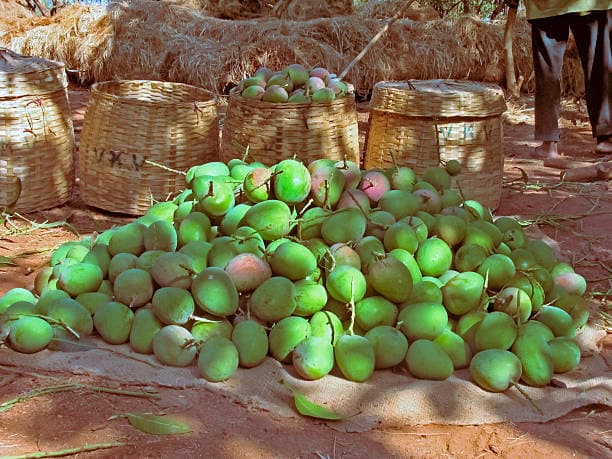
India's mango calendar is a rolling season from March through September — with different varieties peaking at different times. Here's how to eat the best mango available in every month of the 2026 season.
March–April: Alphonso Season Opens
The season opens with Ratnagiri Alphonso in mid-March. Early March fruit is smaller and slightly more acidic — good but not peak. By late March and April, the Alphonso hits its stride: maximum aroma, 22–26° Brix, perfectly sized fruit. This is the window serious buyers prioritise.
April–May: Peak Alphonso + Kesar Begins
April and May are the golden months. Alphonso is at absolute peak. From mid-May, Gir Kesar arrives from Gujarat — its season overlapping beautifully with late-Alphonso. Buying both in May gives you the fullest mango experience of the year.
June–July: Kesar, Imam Pasand, Dasheri
As Alphonso winds down in June, Kesar, Imam Pasand (Hyderabad), and Dasheri (UP) take over. The season doesn't end — it transitions. July is the month for Langra (Varanasi) and Banganapalli (Andhra).
August–September: Late Season
Sindhura, Neelam, and Malgova varieties are available August–September. Quality declines from peak but price drops significantly. Good for bulk pulp and aamras processing.
What Pure Aam Stocks Month by Month
March–June: Ratnagiri Alphonso Premium, Wooden Peti, Karnataka Badami. May–July: Gir Kesar. May–July: Imam Pasand. WhatsApp us at any point in season for current availability.
Ready to Order Real Alphonso?
Farm-direct, naturally ripened, zero carbide. WhatsApp us to order your box today.
Order on WhatsAppMore from the Blog
Ratnagiri Alphonso vs Kesar Mango: Which is Better?
India produces over 1,500 varieties of mango, but when it comes to prestige and flavour, two names dominate every conversation: Ratnagiri Alphonso and Gir Kesar. If you've ever stood confused in front of both options, this guide settles the debate once and for all.
Food SafetyHow to Identify Carbide-Free Mangoes (6 Simple Tests)
Calcium carbide is a chemical compound used to artificially ripen mangoes in days. It is banned in India under FSSAI regulations because it contains arsenic and phosphorus residues linked to neurological damage. Yet it remains widely used across Indian markets. Here's how to protect yourself and your family.
EducationWhat is GI Certification? Why Ratnagiri Alphonso Has It and Why It Matters
When you see 'GI Certified Ratnagiri Alphonso' on a box of mangoes, it means more than a label. It is a legally enforceable guarantee that this fruit was grown in a specific place, using specific traditional methods, meeting specific quality thresholds.