Mango Farming in Ratnagiri: How Alphonso is Grown on the Konkan Coast
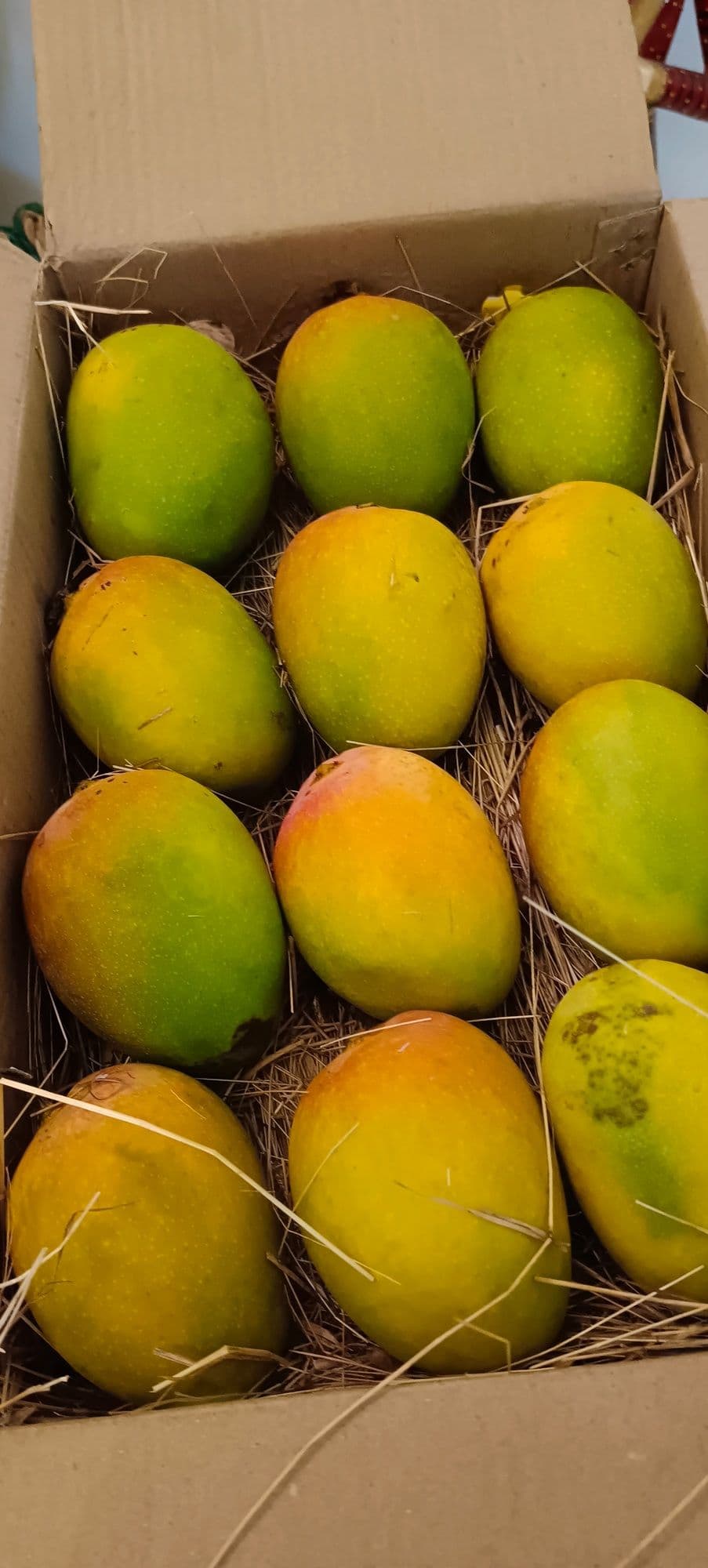
Few people who eat Ratnagiri Alphonso mangoes know what goes into growing them. The process is slow, exacting, and dependent on a combination of geography and tradition that cannot be replicated elsewhere.
The Orchard: Red Laterite Slopes
Ratnagiri's Alphonso orchards sit on the Sahyadri foothills — red laterite slopes facing the Arabian Sea. The soil's high iron content, the sea-moderated temperature, and the precise monsoon pattern create conditions the Alphonso tree seems built for. Trees live 50–100 years and produce better fruit as they age.
Flowering: November–January
Alphonso trees flower from November through January. Farmers watch the flowering carefully — a late frost, unseasonal rain, or fungal infection at this stage can reduce the season's yield significantly. The 2026 season saw strong flowering from late November 2025, suggesting a good harvest.
Fruit Development: January–March
After pollination, the fruit develops over 90–120 days. Farmers protect developing mangoes from fruit flies (using eco-friendly bag covering), monitor for anthracnose fungal disease, and manage irrigation carefully — too much water dilutes the sugar content.
Harvest: March–June
Alphonso is harvested when it reaches physiological maturity — not ripeness. A mature Alphonso has a specific skin colour (green with a yellow blush), a hollow sound when tapped, and comes away from the stem with a gentle pull. Premature harvesting produces poor flavour regardless of how carefully you ripen it.
Ripening: The Traditional Method
After harvest, mangoes are placed in ventilated rooms on beds of dried rice straw, hay, and wood shavings. These materials produce natural ethylene gas which triggers the ripening process. Over 48–72 hours, the mango develops its full colour, aroma, and flavour. This is the only method used by Pure Aam's partner orchards.
Ready to Order Real Alphonso?
Farm-direct, naturally ripened, zero carbide. WhatsApp us to order your box today.
Order on WhatsAppMore from the Blog
Ratnagiri Alphonso vs Kesar Mango: Which is Better?
India produces over 1,500 varieties of mango, but when it comes to prestige and flavour, two names dominate every conversation: Ratnagiri Alphonso and Gir Kesar. If you've ever stood confused in front of both options, this guide settles the debate once and for all.
Food SafetyHow to Identify Carbide-Free Mangoes (6 Simple Tests)
Calcium carbide is a chemical compound used to artificially ripen mangoes in days. It is banned in India under FSSAI regulations because it contains arsenic and phosphorus residues linked to neurological damage. Yet it remains widely used across Indian markets. Here's how to protect yourself and your family.
EducationWhat is GI Certification? Why Ratnagiri Alphonso Has It and Why It Matters
When you see 'GI Certified Ratnagiri Alphonso' on a box of mangoes, it means more than a label. It is a legally enforceable guarantee that this fruit was grown in a specific place, using specific traditional methods, meeting specific quality thresholds.