Aamras: Nutritional Benefits, Best Mango to Use, and the Right Way to Make It
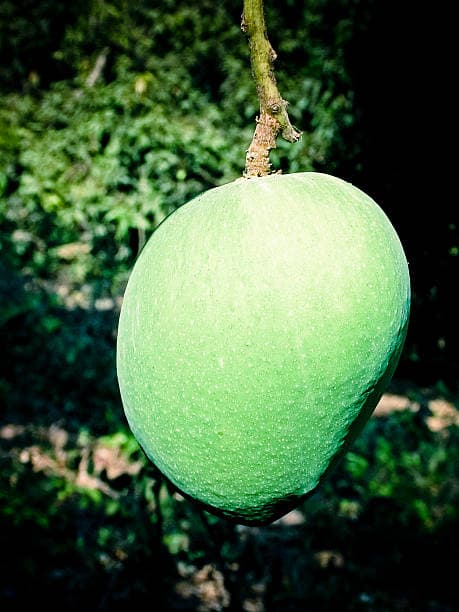
Aamras is arguably India's most beloved summer dish — and one of its simplest. Mango pulp, sugar, a touch of saffron and cardamom. But like everything simple, the quality of the raw ingredient is everything.
What is Aamras?
Aamras (from 'aam' — mango + 'ras' — juice/pulp) is a thick sweetened mango pulp dish traditionally served with puris in Maharashtra and Gujarat. It is the centrepiece of summer meals in Konkan homes, made fresh daily from ripe Alphonso during peak season. It can also be served as a dessert, poured over ice cream, or eaten plain from a bowl.
Which Mango Makes the Best Aamras?
Ratnagiri Alphonso, without question. The fibre-free flesh blends into an impossibly smooth, golden, intensely fragrant pulp with no need for straining. Gir Kesar is an excellent second choice — its dense, sweet flesh produces a rich aamras with a deeper colour. Avoid fibrous varieties (Totapuri, Langra) for aamras — the result is stringy and less flavourful.
Basic Aamras Method
4 ripe Alphonso mangoes. Squeeze each mango by rolling between palms, cut tip, squeeze pulp into bowl. Remove seed and squeeze out remaining pulp. Add 2 tbsp sugar (taste first — premium Alphonso may need none), a pinch of salt, and a pinch of cardamom. Blend 10 seconds. Serve immediately at room temperature with hot ghee puris.
Saffron Aamras (Kesar Shrikhand variation)
Add 10 saffron strands soaked in 2 tbsp warm milk to the blended pulp. Blend again for 5 seconds. Chill for 30 minutes. Serve cold in individual bowls. The saffron deepens the colour and adds a royal floral note that elevates the dish entirely.
How Much Alphonso per Serving?
One medium Ratnagiri Alphonso (220–260g) yields approximately 150–180ml of pulp — enough for one generous serving. For a family of four, plan for 4–5 Alphonsos. Our 12-piece box makes 12 generous servings of aamras.
Ready to Order Real Alphonso?
Farm-direct, naturally ripened, zero carbide. WhatsApp us to order your box today.
Order on WhatsAppMore from the Blog
Ratnagiri Alphonso vs Kesar Mango: Which is Better?
India produces over 1,500 varieties of mango, but when it comes to prestige and flavour, two names dominate every conversation: Ratnagiri Alphonso and Gir Kesar. If you've ever stood confused in front of both options, this guide settles the debate once and for all.
Food SafetyHow to Identify Carbide-Free Mangoes (6 Simple Tests)
Calcium carbide is a chemical compound used to artificially ripen mangoes in days. It is banned in India under FSSAI regulations because it contains arsenic and phosphorus residues linked to neurological damage. Yet it remains widely used across Indian markets. Here's how to protect yourself and your family.
EducationWhat is GI Certification? Why Ratnagiri Alphonso Has It and Why It Matters
When you see 'GI Certified Ratnagiri Alphonso' on a box of mangoes, it means more than a label. It is a legally enforceable guarantee that this fruit was grown in a specific place, using specific traditional methods, meeting specific quality thresholds.