How to Store Alphonso Mangoes at Home: The Right Way
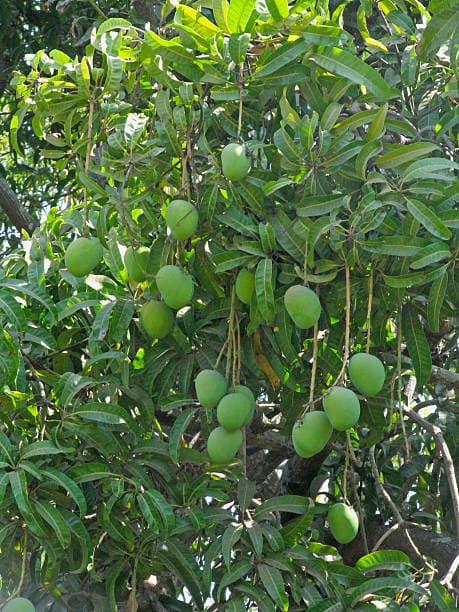
Naturally ripened Alphonso mangoes behave very differently from carbide-ripened fruit. Understanding how to store them properly means you get to enjoy every single mango at its best.
Do Not Refrigerate Unripe Mangoes
Mangoes are tropical fruit and cold temperatures halt the natural ripening process and can cause 'chilling injury' — brown, pulpy spots under the skin. Never refrigerate a mango that is still firm.
Room Temperature Ripening
When your Pure Aam box arrives, the mangoes will be 1 day from peak ripeness. Leave them at room temperature (ideally 22–28°C) for 24 hours. You'll know they're ready when the skin turns uniformly golden and the fruit gives slightly to thumb pressure.
Once Ripe: Refrigerate
Once ripe, mangoes can be refrigerated to slow further ripening. They'll stay at peak quality for 2–3 days in the fridge. Allow them to come to room temperature for 30 minutes before eating — cold numbs some of the aromatic compounds.
How Long Do They Last?
Naturally ripened Alphonso: 3–5 days from delivery. In fridge once ripe: 2–3 additional days. Cut mango in airtight container in fridge: 2 days. Frozen mango pulp: up to 6 months.
The Ideal Way to Eat
Refrigerate overnight once ripe, serve slightly cool (not cold). The contrast of cool temperature against the warm sweetness is — according to most Alphonso connoisseurs — the ideal eating experience.
Ready to Order Real Alphonso?
Farm-direct, naturally ripened, zero carbide. WhatsApp us to order your box today.
Order on WhatsAppMore from the Blog
Ratnagiri Alphonso vs Kesar Mango: Which is Better?
India produces over 1,500 varieties of mango, but when it comes to prestige and flavour, two names dominate every conversation: Ratnagiri Alphonso and Gir Kesar. If you've ever stood confused in front of both options, this guide settles the debate once and for all.
Food SafetyHow to Identify Carbide-Free Mangoes (6 Simple Tests)
Calcium carbide is a chemical compound used to artificially ripen mangoes in days. It is banned in India under FSSAI regulations because it contains arsenic and phosphorus residues linked to neurological damage. Yet it remains widely used across Indian markets. Here's how to protect yourself and your family.
EducationWhat is GI Certification? Why Ratnagiri Alphonso Has It and Why It Matters
When you see 'GI Certified Ratnagiri Alphonso' on a box of mangoes, it means more than a label. It is a legally enforceable guarantee that this fruit was grown in a specific place, using specific traditional methods, meeting specific quality thresholds.