How Many Mangoes a Day is Healthy? (Doctors & Nutritionists Explain)
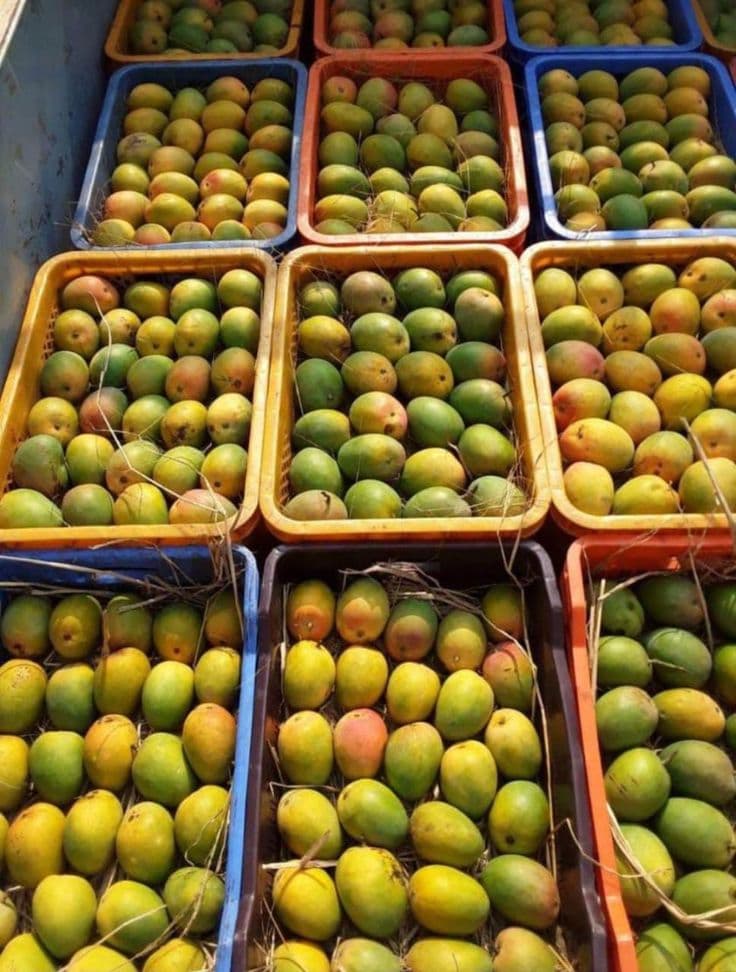
Every mango season the same question comes up: how much is too much? Mangoes are nutritious but also high in natural sugar. Here's what you actually need to know.
How Much Sugar is in One Alphonso Mango?
One medium Ratnagiri Alphonso (approximately 230g) contains roughly 32g of natural sugar (fructose), 70–75 kcal per 100g, approximately 160 kcal for the whole fruit. The glycaemic index of Alphonso is approximately 51–56 — classed as moderate, not high.
Recommended Daily Intake for Healthy Adults
1–2 medium Alphonso mangoes per day is the widely accepted guideline for healthy adults. This delivers significant Vitamin C (nearly 100% RDA), Vitamin A (25% RDA), folate, potassium, and powerful antioxidants. The natural sugar, while present, comes packaged with fibre, water, and micronutrients — very different from processed sugar.
For Diabetics
Diabetics can enjoy Alphonso in moderation — 100–150g (roughly half a mango) per day is typically safe, consumed earlier in the day when insulin sensitivity is higher. Always consult your doctor. Naturally ripened Alphonso has a lower glycaemic impact than carbide-ripened equivalents because natural ripening preserves enzyme content and changes the sugar composition.
For Children
Alphonso is excellent for children. One mango per day during season is a powerful nutritional addition — vitamins, minerals, and the digestive enzymes support growth and immunity. Avoid giving mango as the last thing before sleep to young children.
Ready to Order Real Alphonso?
Farm-direct, naturally ripened, zero carbide. WhatsApp us to order your box today.
Order on WhatsAppMore from the Blog
Ratnagiri Alphonso vs Kesar Mango: Which is Better?
India produces over 1,500 varieties of mango, but when it comes to prestige and flavour, two names dominate every conversation: Ratnagiri Alphonso and Gir Kesar. If you've ever stood confused in front of both options, this guide settles the debate once and for all.
Food SafetyHow to Identify Carbide-Free Mangoes (6 Simple Tests)
Calcium carbide is a chemical compound used to artificially ripen mangoes in days. It is banned in India under FSSAI regulations because it contains arsenic and phosphorus residues linked to neurological damage. Yet it remains widely used across Indian markets. Here's how to protect yourself and your family.
EducationWhat is GI Certification? Why Ratnagiri Alphonso Has It and Why It Matters
When you see 'GI Certified Ratnagiri Alphonso' on a box of mangoes, it means more than a label. It is a legally enforceable guarantee that this fruit was grown in a specific place, using specific traditional methods, meeting specific quality thresholds.