Best Mango Varieties in India 2026: The Complete Ranked List
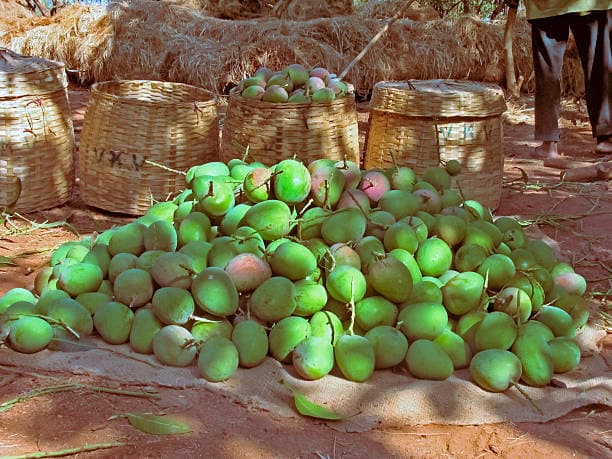
India is the world's largest mango producer — home to over 1,500 named varieties. But which ones are actually worth ordering? We've ranked the best by flavour, availability, and buying value.
#1: Ratnagiri Alphonso (Hapus)
Origin: Ratnagiri, Maharashtra. Season: March–June. The undisputed king. Fibre-free, intensely aromatic, with a Brix level of 22–26°. GI certified. Most counterfeited. Only buy from verified sources.
#2: Gir Kesar
Origin: Gir, Gujarat. Season: May–July. The saffron queen. Vibrant orange flesh, musky sweet aroma, excellent for aamras. GI certified. More affordable than Alphonso.
#3: Imam Pasand (Himayat)
Origin: Telangana. Season: May–July. The royal variety. Enormous fruit (400–600g each), completely fibre-free, smooth custard-like texture. Very rare, very prized.
#4: Dasheri
Origin: Malihabad, Uttar Pradesh. Season: June–July. The North Indian favourite. Elongated shape, thin skin, rich sweet flavour. GI certified for Malihabad region.
#5: Karnataka Badami
Origin: Ramanagara, Karnataka. Season: April–June. The Alphonso of the South. Smaller, sweeter, fibre-free. Excellent value.
#6: Langra
Origin: Varanasi, UP. Season: July–August. Green-skinned even when ripe. Distinctive tartness balanced with sweetness. Popular in Bengal and UP.
#7: Banganapalli (Benishan)
Origin: Kurnool, Andhra Pradesh. Season: April–June. Large, thin-skinned, bright yellow. Low fibre, good for eating fresh. GI certified.
Ready to Order Real Alphonso?
Farm-direct, naturally ripened, zero carbide. WhatsApp us to order your box today.
Order on WhatsAppMore from the Blog
Ratnagiri Alphonso vs Kesar Mango: Which is Better?
India produces over 1,500 varieties of mango, but when it comes to prestige and flavour, two names dominate every conversation: Ratnagiri Alphonso and Gir Kesar. If you've ever stood confused in front of both options, this guide settles the debate once and for all.
Food SafetyHow to Identify Carbide-Free Mangoes (6 Simple Tests)
Calcium carbide is a chemical compound used to artificially ripen mangoes in days. It is banned in India under FSSAI regulations because it contains arsenic and phosphorus residues linked to neurological damage. Yet it remains widely used across Indian markets. Here's how to protect yourself and your family.
EducationWhat is GI Certification? Why Ratnagiri Alphonso Has It and Why It Matters
When you see 'GI Certified Ratnagiri Alphonso' on a box of mangoes, it means more than a label. It is a legally enforceable guarantee that this fruit was grown in a specific place, using specific traditional methods, meeting specific quality thresholds.