Authentic Aamras Recipe Using Ratnagiri Alphonso: 3 Ways
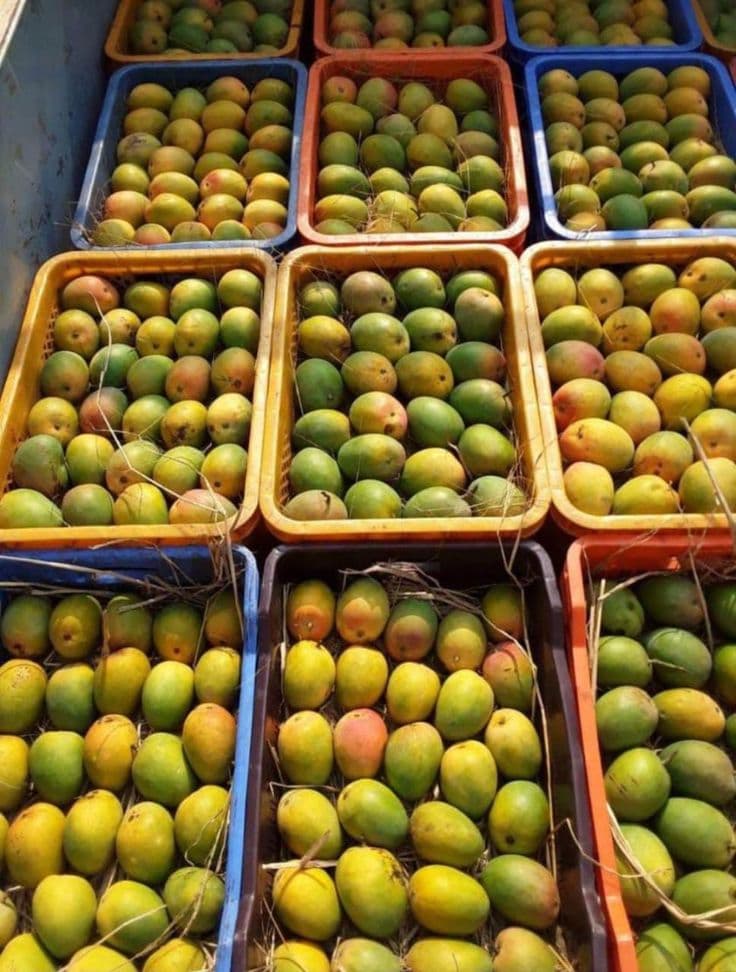
Aamras — mango pulp sweetened and spiced to perfection — is the quintessential Konkan summer dish. Served with puris, drizzled on ice cream, or eaten straight from a bowl, the quality of aamras depends entirely on the quality of your Alphonso.
What You Need
4 ripe Ratnagiri Alphonso mangoes | 2–4 tbsp sugar (adjust to mango sweetness) | A pinch of salt | Optional: saffron strands soaked in 2 tbsp warm milk | Optional: a pinch of cardamom powder.
Classic Maharashtra Aamras
1. Wash and dry mangoes. 2. Squeeze the entire mango by rolling between your palms until the pulp loosens. 3. Cut the tip and squeeze pulp directly into a bowl. 4. Squeeze every last bit from the seed. 5. Add sugar and salt. 6. Blend briefly or whisk until smooth. Serve immediately at room temperature with hot puris.
Kesar Aamras (Saffron Aamras)
Follow the classic method but add saffron-soaked milk to the squeezed pulp. Blend until smooth. The saffron deepens the golden colour and adds a floral complexity. Chill for 30 minutes before serving.
Chilled Alphonso Aamras (Mango Cream)
Blend squeezed Alphonso pulp with 4 tbsp heavy cream, sugar, cardamom, and saffron milk. Chill for 2 hours. Serve in chilled bowls topped with a few saffron strands. This is the dessert version — rich, cold, extraordinary.
Pro Tip
Never blend on high speed for too long. Over-blending introduces air and changes the colour and texture. 10–15 seconds on low speed is enough. The best aamras has texture — not the smoothness of a machine-processed product.
Ready to Order Real Alphonso?
Farm-direct, naturally ripened, zero carbide. WhatsApp us to order your box today.
Order on WhatsAppMore from the Blog
Ratnagiri Alphonso vs Kesar Mango: Which is Better?
India produces over 1,500 varieties of mango, but when it comes to prestige and flavour, two names dominate every conversation: Ratnagiri Alphonso and Gir Kesar. If you've ever stood confused in front of both options, this guide settles the debate once and for all.
Food SafetyHow to Identify Carbide-Free Mangoes (6 Simple Tests)
Calcium carbide is a chemical compound used to artificially ripen mangoes in days. It is banned in India under FSSAI regulations because it contains arsenic and phosphorus residues linked to neurological damage. Yet it remains widely used across Indian markets. Here's how to protect yourself and your family.
EducationWhat is GI Certification? Why Ratnagiri Alphonso Has It and Why It Matters
When you see 'GI Certified Ratnagiri Alphonso' on a box of mangoes, it means more than a label. It is a legally enforceable guarantee that this fruit was grown in a specific place, using specific traditional methods, meeting specific quality thresholds.